
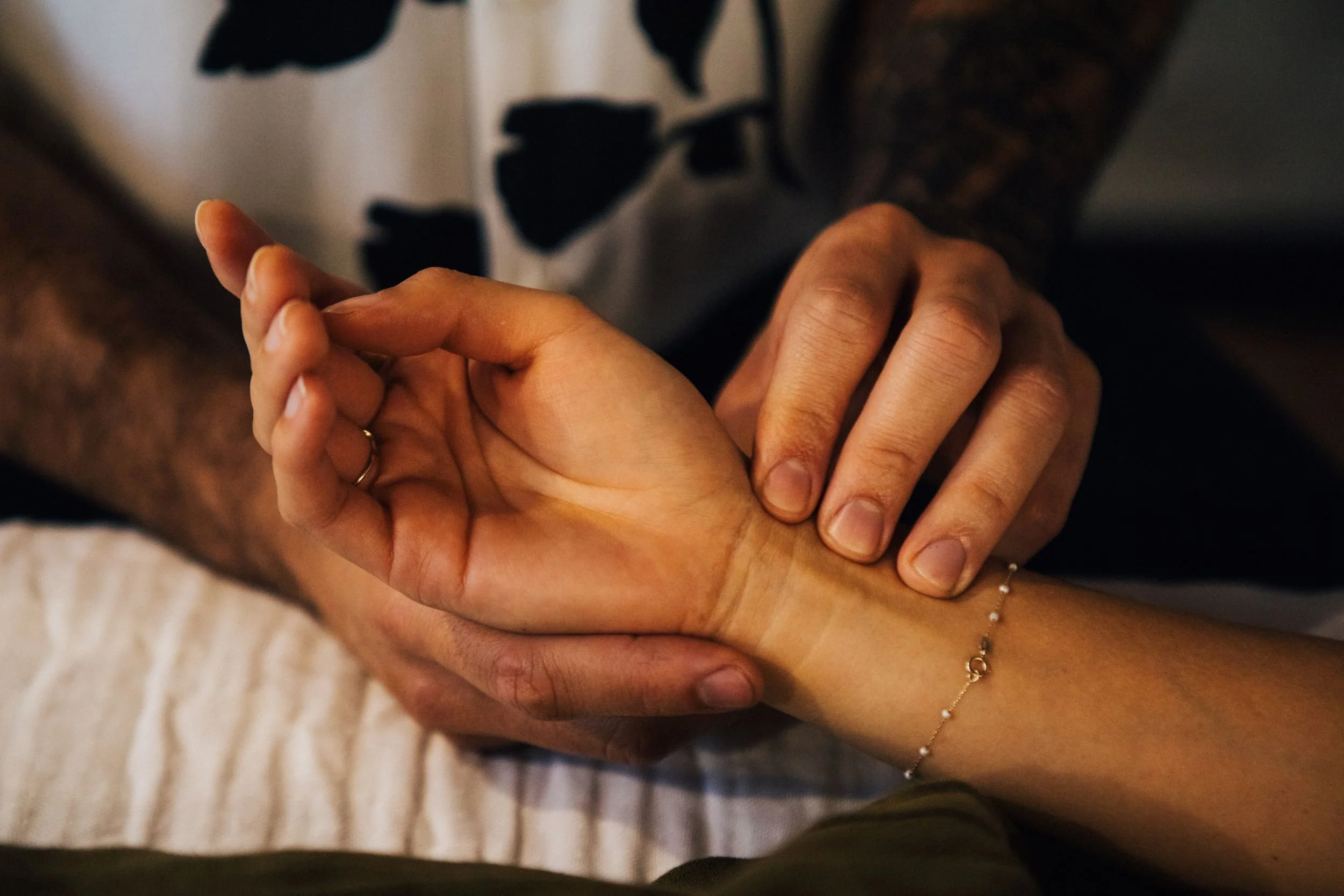
Acupuncture for Neurological Conditions in San Diego
Classical Chinese Medicine for Stroke Recovery, Neuropathy, Cognitive Decline & Degenerative Diseases
You've been told your neurological condition is progressive. That management is the only option. That the brain, nerves, or muscles are damaged and there's nothing to be done except slow the decline with medication.
Conventional neurology treats these conditions as irreversible hardware failures. Once neurons die, once myelin degrades, once the brain deteriorates, the damage is permanent. The best you can hope for is symptom management and adaptation.
Classical Chinese Medicine sees neurological conditions differently. The brain and nervous system don't exist in isolation. They're nourished by Blood, protected by Wei Qi, governed by channels that can be treated. Degeneration isn't inevitable. It's a pattern of resource depletion and channel dysfunction that can be addressed.
Gateway Acupuncture & Wellness treats neurological conditions using sophisticated channel systems designed specifically for chronic degenerative diseases, constitutional support, and restoration of function to the brain, nerves, and muscles.
Why Neurological Conditions Develop
In Classical Chinese Medicine, neurological conditions develop when:
The Brain and Marrow are undernourished. The Brain is considered a "Sea of Marrow" nourished by Kidney Jing (Essence). When Jing depletes (from aging, chronic stress, constitutional weakness), the Marrow can't maintain the brain's structure and function. This manifests as cognitive decline, memory loss, movement disorders, or sensory dysfunction.
Fluids are deficient, allowing Wind to arise. The nervous system requires adequate Blood and body fluids to function properly. When these become deficient, internal Wind develops. Wind creates tremors, spasms, seizures, tics, sudden paralysis, pain that moves unpredictably, and conditions that fluctuate or progress erratically.
Wei Qi (defensive energy) internalizes from muscles. Normally, Wei Qi circulates at your body's surface protecting you. In degenerative neurological conditions, Wei Qi moves inward, away from the muscles. This creates Wei Atrophy Syndrome - progressive muscle weakness, wasting, neuropathy, loss of motor control. What Western medicine calls ALS, muscular dystrophy, or advanced neuropathy.
Latency is lost. Your body can hold pathogens or energetic imbalances latent (dormant) in joints, bones, or deeper structures for years. When constitutional resources decline, the body loses the ability to maintain that latency. The pathology emerges, often affecting the brain, spinal cord, or peripheral nerves. This is one mechanism for stroke, MS flares, sudden cognitive decline, or neurological symptoms that appear without obvious cause.
Sensory orifices lose their connection to Pure Yang. The eyes, ears, nose, mouth, and throat require specific fluids and Qi to function. When channels that nourish these orifices become blocked or depleted, you get vision loss, hearing decline, tinnitus, loss of taste or smell, speech difficulties, swallowing problems.
These aren't random failures. They're patterns that can be identified through Classical diagnosis and addressed through channel-based treatment.
The Conditions We Treat
Classical acupuncture for neurological conditions addresses a wide range of diagnoses by treating the underlying channel patterns creating the symptoms:
Stroke and Post-Stroke Recovery
Hemiplegia (paralysis on one side)
Loss of speech or difficulty speaking
Facial drooping or paralysis
Cognitive changes after stroke
Blood stasis and Wind in the brain
Progressive Cognitive Decline
Alzheimer's disease
Dementia
Memory loss
Difficulty retrieving memories
Confusion or disorientation
Cognitive slowing
Movement Disorders
Parkinson's disease (tremors, rigidity, slow movement)
Essential tremor
Tics and spasms
Ataxia (coordination problems)
Dystonia
Gait disturbances
Wei Atrophy Syndrome (Muscle Wasting)
ALS-like symptoms (progressive muscle weakness and wasting)
Muscular dystrophy patterns
Progressive muscle atrophy
Loss of motor control
Difficulty swallowing or breathing from muscle weakness
Peripheral Neuropathy
Diabetic neuropathy
Chemotherapy-induced neuropathy
Idiopathic neuropathy
Burning, tingling, numbness in extremities
Pain from nerve damage
Loss of sensation or motor function
Multiple Sclerosis
Myelin degradation
Fatigue and muscle weakness
Vision problems
Coordination issues
Damp-Heat and Wind patterns affecting nerves
Seizure Disorders
Epilepsy
Seizures from various causes
Wind and Phlegm affecting the brain
Sensory Organ Dysfunction
Vision loss or degeneration (optic nerve issues, cataracts, glaucoma, macular degeneration)
Hearing loss or tinnitus
Loss of taste or smell
Balance disorders
Vertigo or dizziness
Other Neurological Conditions
Bell's Palsy (facial paralysis)
Trigeminal neuralgia
Encephalitis sequelae
Meningitis recovery
Tourette's syndrome
Autism spectrum (when involving neurological symptoms)
Post-concussion syndrome
Why Conventional Treatment Often Falls Short
Neurology treats symptoms with medication but rarely addresses the mechanisms creating neurological decline:
For cognitive decline: Medications might slow progression slightly, but they don't restore brain function or address why the Brain and Marrow are undernourished.
For movement disorders: Dopamine replacement (Parkinson's) or muscle relaxants manage symptoms temporarily but don't address the Wind, Fluid deficiency, or channel dysfunction creating the movement problem.
For neuropathy: Pain medications mask nerve pain without healing the damaged nerves or addressing why Wei Qi and Blood can't nourish peripheral tissues.
For MS: Immune suppression reduces flares but doesn't address the Damp-Heat, Wind, and latency patterns creating myelin breakdown.
For stroke: Physical therapy addresses mechanical function but doesn't clear the Blood stasis and Wind from the brain that caused the stroke or treat the channels to restore neurological pathways.
Classical acupuncture addresses the root patterns creating neurological dysfunction, not just the symptoms.
How Classical Acupuncture Treats Neurological Conditions
We use sophisticated channel systems that most acupuncturists never learn:
Divergent Channels for chronic degenerative progression:
The Divergent Channels are designed specifically to treat chronic, progressive, degenerative diseases. When neurological conditions develop slowly over years (Alzheimer's, Parkinson's, ALS patterns, MS), this indicates Divergent Channel involvement.
Divergent treatments address:
Latent pathology being held in joints, bones, or Marrow
Progressive loss of resources (Fluids, Blood, Jing) creating degeneration
Mobilizing the body's defensive mechanisms to slow or reverse decline
Clearing Heat, Damp, Phlegm, or Wind from the brain and nervous system
Treatment is done in specific rhythms (often 3 days on, 3 days off) to give your body time to integrate changes and redirect resources.
Eight Extraordinary Channels for constitutional and Brain/Marrow support:
The Eight Extraordinary Channels govern your deepest constitutional resources - the Jing (Essence) that nourishes the Brain and Marrow, the Yuan Qi (constitutional energy) that enables all function, the Blood that carries consciousness.
For neurological conditions involving constitutional weakness, genetic factors, or Brain/Marrow depletion, we use:
Du Mai: Governs the spine, brain, and all Yang function. Treats stroke, hemiplegia, cognitive decline, Wind from the Marrow/Brain affecting movement.
Chong Mai (3rd trajectory): Specifically treats Alzheimer's, dementia, and memory retrieval problems by connecting Yang (energy) to Blood (where memory is stored).
Yin Wei Mai: Treats Alzheimer's, poor memory, and inability to connect past to present.
Yang Wei Mai: Addresses Wei Atrophy Syndrome from insufficient Yang circulation.
Yang Qiao Mai: Treats stroke, hemiplegia, and paralysis from hyperactive Yang.
Primary and Luo Channels for acute symptoms and emotional components:
Not all neurological treatment requires deep constitutional work. Sometimes acute interventions or emotional release creates significant improvement:
Stroke recovery often requires clearing Blood stasis and releasing Heat
Neuropathy needs improved circulation and Wei Qi flow
Tremors and spasms respond to expelling Wind and calming Liver
Cognitive fog clears when Blood nourishes the brain again
Rebuilding resources:
Many neurological conditions stem from deep resource depletion:
Jing deficiency: We rebuild Kidney Essence to nourish Brain and Marrow
Blood deficiency: We nourish Blood so it can reach the brain and nerves
Fluid deficiency: We restore body fluids to prevent Wind and support nervous system function
Wei Qi weakness: We strengthen defensive energy to protect muscles and prevent atrophy
What Treatment Looks Like
Neurological conditions require long-term, consistent treatment because we're addressing constitutional patterns and degenerative processes:
Phase 1: Assessment and Stabilization
Comprehensive diagnosis to identify which channel systems are involved, what resources are depleted, and what pathology is being held. Initial treatments focus on stabilizing acute symptoms and preventing further decline.
Phase 2: Active Treatment
Using Divergent Channels and Eight Extraordinary Channels to address root patterns. Treatment frequency depends on condition severity and your body's capacity to integrate changes. Often 2-3 times weekly initially, then adjusted based on response.
Phase 3: Rebuilding and Maintenance
As pathology clears and function improves, we focus on rebuilding constitutional resources to sustain improvements and prevent relapse. Treatment frequency decreases to weekly, then bi-weekly or monthly maintenance.
Realistic timeline:
Acute neurological symptoms (Bell's Palsy, post-stroke within weeks) often respond faster: 1-3 months
Chronic progressive conditions (Parkinson's, Alzheimer's, MS, ALS patterns) require longer commitment: 6-12+ months
Constitutional rebuilding for severe depletion: ongoing support
The goal isn't always complete reversal (though this sometimes occurs). Often it's stabilizing progression, improving quality of life, restoring some function, and supporting your body's capacity to manage the condition.
What Changes Look Like
Recovery from neurological conditions varies significantly by diagnosis and how long the condition has been present:
Cognitive improvements: Memory becomes sharper. Mental clarity returns. Confusion decreases. The fog lifts. Day-to-day memory improves. Ability to retrieve information strengthens.
Movement improvements: Tremors decrease in frequency or intensity. Rigidity softens. Coordination improves. Gait becomes more stable. Fine motor control returns. Muscle strength increases.
Sensation returns: Numb areas regain feeling. Burning neuropathy pain decreases. Temperature sensation normalizes. Touch becomes more accurate.
Speech and swallowing improve: Words come easier. Swallowing becomes safer. Voice strength increases. Articulation clarifies.
Vision and hearing stabilize or improve: Progression slows or stops. Some function returns. Tinnitus quiets. Visual clarity improves.
Energy increases: The crushing fatigue common in neurological conditions lifts. You can do more without exhaustion. Sleep becomes restorative.
Progression slows or stops: This is huge. Many neurological conditions are considered progressive. When progression stops or reverses, that's a significant win.
Quality of life improves: Even when full function doesn't return, the improvements that do occur often dramatically impact daily living, independence, and wellbeing.
Realistic expectations matter. Early intervention (treating stroke immediately, addressing cognitive decline at first signs, treating neuropathy before severe nerve damage) typically yields better outcomes than treating advanced disease. But even advanced conditions can show meaningful improvement.
What Patients Are Saying
"After my stroke, my neurologist said I'd reached maximum recovery at 6 months. My left side was still weak and my speech was affected. After three months with Diego, my speech is almost normal and I can use my left hand again."
— Robert M., La Jolla
"The neuropathy in my feet from chemo was unbearable. Burning pain, couldn't feel anything, couldn't walk without holding onto things. Diego's treatments brought sensation back and the pain is manageable now."
— Linda K., Golden Hill
"My husband's Parkinson's tremors were getting worse despite medication. After working with Diego for four months, the tremors decreased significantly. His neurologist was surprised."
— Maria T., Marston Hills
Who This Approach Serves
Classical acupuncture for neurological conditions is particularly effective for people who:
Have been diagnosed with progressive neurological disease and want to slow or reverse decline
Are experiencing cognitive decline, memory loss, or difficulty with mental clarity
Have movement disorders, tremors, muscle weakness, or coordination problems
Suffer from neuropathy, numbness, or nerve pain not responding to medication
Want to maximize stroke recovery beyond what conventional therapy offers
Have sensory problems (vision, hearing, balance, taste, smell)
Are looking for constitutional support alongside conventional neurological care
Want to address root causes of neurological dysfunction, not just manage symptoms
Are willing to commit to long-term treatment for chronic conditions
Your First Visit: What to Expect
Initial Patient Intake & Treatment (80 minutes | $225)
Your first session includes:
Comprehensive neurological history including diagnosis, progression, current symptoms, medications, and conventional treatments tried
Classical diagnostic assessment using pulse reading to evaluate Brain/Marrow nourishment, Blood and Fluid quality, Wei Qi status, and channel function
Discussion of realistic goals and timeline based on your specific condition
Personalized treatment plan using Divergent Channels, Eight Extraordinary Channels, or other systems as appropriate
First acupuncture treatment
Follow-Up Treatments (55 minutes | $180)
Most patients with neurological conditions begin with 2-3 sessions weekly, adjusting frequency based on response and condition severity. Treatment is methodical, progressive, and individualized.
Frequently Asked Questions
Can acupuncture cure my neurological condition?
"Cure" depends on the condition. Some acute conditions (Bell's Palsy, early stroke recovery) can resolve completely. Chronic progressive conditions (Alzheimer's, Parkinson's, ALS patterns) are more complex. The goal is often to slow or stop progression, restore some function, and improve quality of life. We're honest about what's realistic.
How long does treatment take?
Acute conditions: 1-3 months typically. Chronic progressive conditions: 6-12+ months of consistent treatment. Some patients require ongoing support. Improvement is often progressive over time.
Will I need to stop my medications?
No. Continue all prescribed medications unless your neurologist advises otherwise. Acupuncture works alongside conventional care. As you improve, your doctor may adjust medications, but never stop them without medical supervision.
What if I have advanced disease?
Even advanced neurological conditions can show improvement. Early treatment yields better results, but we've seen meaningful changes in people with long-standing or severe conditions. The key is realistic expectations and commitment to consistent treatment.
Does insurance cover this?
Some insurance plans cover acupuncture for neurological conditions, especially neuropathy. We provide detailed superbills for reimbursement. Many patients use HSA/FSA funds.
Ready to Begin?
Schedule your complimentary consultation to explore how Classical Acupuncture can support your neurological health.
Complimentary Consultation: 15 minutes
Initial Consultation & Treatment: $225 | 80 minutes
Follow-Up Treatments: $180 | 55 minutes
Located in Hillcrest, San Diego
Gateway Acupuncture & Wellness
Diego García, L.Ac.
3636 5th Ave, Suite 101
San Diego, CA 92103
Serving: Mission Hills, Mission Valley, Hillcrest, North & South Park, Golden Hill, Normal Heights, Kensington, University Heights, Bankers Hill, Downtown San Diego, and nearby communities.