Classical Medicine · 6 min read · June 2026
What makes acupuncture "classical."
The short of it
Most acupuncture in the United States is protocol-based TCM, working point formulas within the twelve primary channels. Classical Chinese medicine reads your pulse and treats across all five channel systems, all 61 channels, building the treatment for you rather than for your diagnosis. If acupuncture has not worked for you before, the style of medicine may be the reason.
People tell me, often, that they tried acupuncture once and felt nothing. They lay on a table, someone placed a standard set of needles, and not much changed. I understand why they concluded acupuncture doesn't work. What I tell them is that they likely never met the whole medicine.
Two medicines wearing the same name.
Most acupuncture practiced in the United States is a mid-twentieth-century standardization called Traditional Chinese Medicine, or TCM. It is real and it helps people. It works mostly within the twelve primary channels, using point formulas matched to a diagnosis. Low back pain gets one recipe. Insomnia gets another. The same formula serves every body with the same complaint.
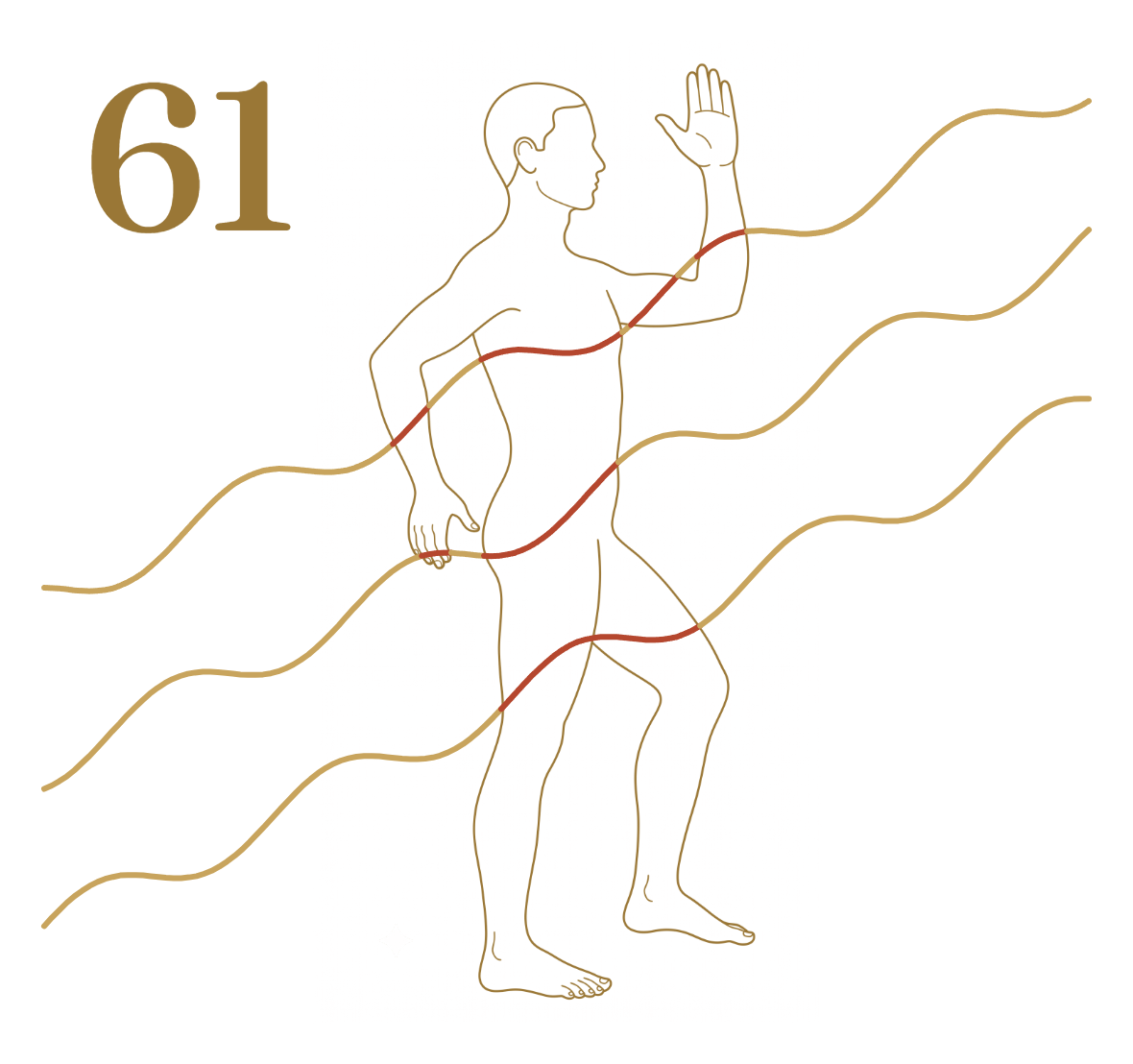
Classical Chinese Medicine is older and wider. It reads your pulse to find where the pattern actually lives, and it treats across all five channel systems, the primary channels plus the sinew, luo, divergent, and the eight extraordinary vessels, all 61 unique channels rather than a fraction of them. The treatment is built for you, around the pattern beneath your diagnosis.
The body receives one clear therapeutic message. That is where profound results begin.
Why the difference shows up in the room.
When points are pulled from several channels at once to chase a list of symptoms, the body receives a scattered signal. When a single channel is treated completely, every point reinforces the same intention, and the body understands exactly what is being asked of it. That clarity is most of the reason classical work can reach conditions that protocol acupuncture leaves untouched.
If the writing speaks to you, let the next one find you.
You're in. Check your email to confirm.
If you've been disappointed before.
Knowing the distinction matters before you decide acupuncture isn't for you. A different style of the same medicine may behave very differently in your body. You can read more about how I practice on the acupuncture page, and if you're carrying something specific, the chronic pain, anxiety, and depression pages go deeper.

Did you
resonate
with this?
did too
Set Gateway as a preferred source on Google, so that more of it reaches you.